

Following a stellar quarter of performance for most risk assets, financial markets understandably started the third quarter on cautious footing as investors continue to contrast ongoing headwinds with a strong economic and fundamental backdrop. Market direction continues to be influenced by three main themes: the threat of persistent inflation stemming from the war in the Middle East, the Federal Reserve and how interest rates could change in the coming months, and a still-resilient corporate earnings story.
From a seasonality perspective, July is typically one of the strongest-performing calendar months for global stocks as the last few weeks of July mark the start of Q2 earnings season and other news flow is generally slower during the summer months. In 2026, July bucked this trend as most global stock indexes delivered a negative return for the month, as geopolitical concerns dominated headlines. At the start of the month, the interim ceasefire between the U.S. and Iran broke down as the conflict escalated once again, leading to a spike in oil that briefly topped $100/barrel and a slide in global stocks. Meanwhile, the Consumer Price Index (CPI) report released mid-month gave investors some positive news as it pertains to inflation – U.S. CPI declined for the month of June for the first time in over six years, suggesting that the inflationary pressures stemming from the war in Iran were giving consumers some relief as the energy shock earlier this year faded. Now, investors are left wondering whether the latest escalation and resulting spike in energy prices will derail the progress being made on inflation, especially with no clear path toward a formal resolution to the conflict.
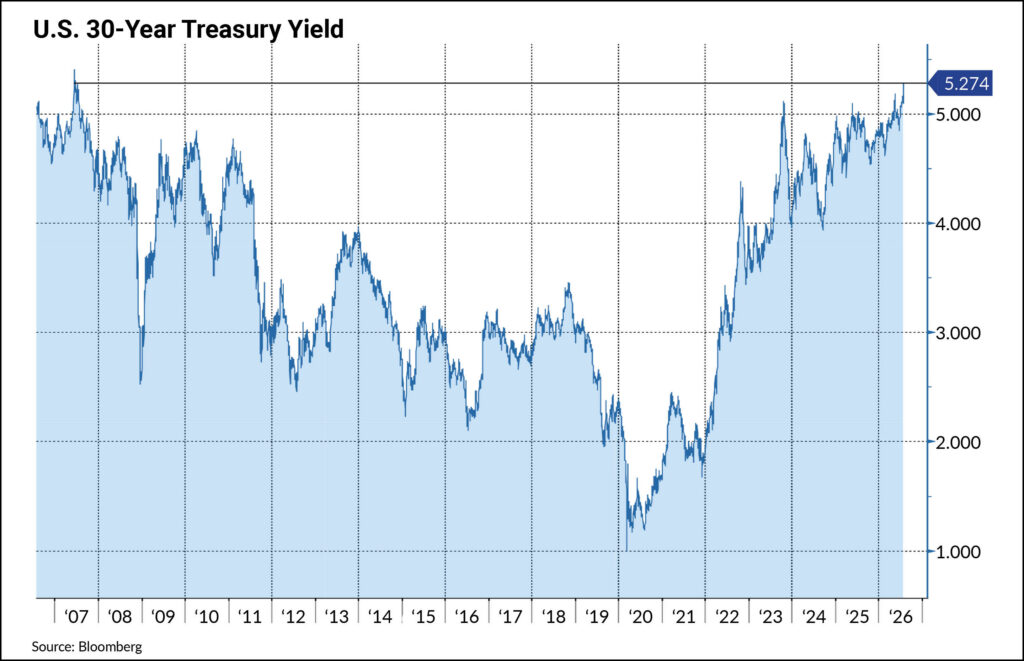
The Federal Reserve’s Federal Open Market Committee (FOMC) met during the final week of July and opted to leave the Federal Funds benchmark rate unchanged for the fifth consecutive meeting. While leaving rates unchanged was expected, the lack of consensus amongst the FOMC was not – three members dissented in favor of hiking rates to combat mounting price pressures, leading to the most divided vote since September 2016. This split vote, coupled with the uncertainty surrounding the new Fed Chairman Kevin Warsh and lingering ambiguity around how he plans to steer the committee to achieve its objectives, left investors feeling uneasy. In reaction, stocks sold off and the 30-year Treasury yield spiked to levels not seen since 2007.
Corporate earnings remain strong amid a mixed economic backdrop, leading stocks to end the month on a positive note. As of July 31st, nearly 60% of companies in the S&P 500 have reported second quarter results, with 85% of those reporting delivering positive earnings surprises. Similarly to last quarter, most companies have beaten earnings estimates by at least one standard deviation from estimates – suggesting that this quarter is on pace to deliver not only a strong period of earnings growth, but a quarter where results will surpass expectations by incredibly wide margins. Investors are still debating the long-term earnings implications from the Artificial Intelligence (AI) boom, but this quarter’s results have so far signaled strength in near-term fundamentals.
The JNBA Investment Committee remains cautiously positioned towards stocks given the ongoing levels of heightened uncertainty. We also remain committed to diligently monitoring the market environment and acting accordingly. As we continue to keep you informed, we encourage you to reach out to your JNBA Advisory Team with any questions.
Due to various factors, including changing market conditions and/or applicable laws, the content may no longer be reflective of current opinions or positions. Moreover, you should not assume that any discussion or information contained in this blog serves as the receipt of, or as a substitute for, personalized investment advice from JNBA Financial Advisors, LLC.
Please see important disclosure information at jnba.com/disclosure